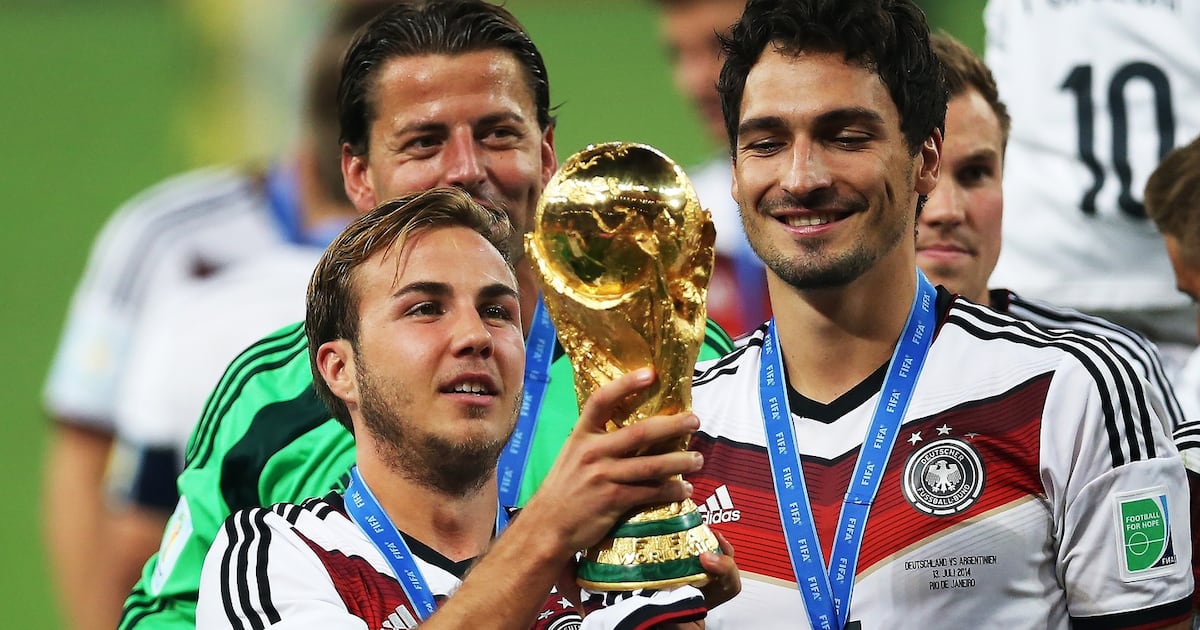
Mario Götze's World Cup Boner: A Night of Triumph Etched in History
Few moments in football history burn as brightly as a World Cup-winning goal. For Germany, and specifically for Mario Götze, July 13, 2014, was a night of unparalleled triumph, a moment that transcended the sport and cemented his place in national lore. It was a night so charged with emotion, adrenaline, and sheer elation that, as one commentator playfully put it, the sheer "boner" of it all must have been ridiculous. This isn't about literal physiology, but a vivid metaphor for the explosive, overwhelming joy and pride that engulfed Götze as he delivered the ultimate prize. While a professional career is often a rollercoaster of highs and lows, sometimes even leading to discussions around topics like Mario Götze Erkrankung, it is moments like this pinnacle that truly define a player's legacy and captivate the imagination of millions.
This article delves into that iconic night, exploring the build-up, the goal itself, and the lasting impact of Götze's moment of brilliance. We’ll look beyond the headlines to understand the significance of this triumph, both for the player and for a nation starved of World Cup glory for 24 years. It’s a story of seizing opportunity, handling immense pressure, and experiencing the kind of unbridled success that few athletes ever achieve.
The Moment of Immortality: Brazil 2014 and the Golden Goal
The 2014 FIFA World Cup Final in Rio de Janeiro pitted two footballing giants against each other: Germany and Argentina. The match was a tense, hard-fought affair, characterized by tactical discipline and missed opportunities. As regulation time wound down, the specter of penalties loomed large, adding to the palpable tension inside the Maracanã Stadium. Germany coach Joachim Löw, renowned for his strategic acumen, made a pivotal substitution in the 88th minute, bringing on the then 22-year-old Mario Götze for veteran Miroslav Klose. The instruction given to Götze by Löw was simple yet profound: "Show the world you are better than Messi and can decide the World Cup."
The stage was set for an unscripted hero. In the 113th minute of extra time, with both teams visibly fatigued and the tension almost unbearable, the moment arrived. André Schürrle, himself a second-half substitute, surged down the left wing, delivering a sublime cross into the Argentine penalty area. Götze, demonstrating incredible technique and composure, controlled the ball on his chest before volleying it past goalkeeper Sergio Romero with his left foot. The net rippled, the stadium erupted, and time seemed to stand still. It was a goal of exquisite beauty and immense significance, securing Germany's fourth World Cup title and etching Götze's name into the annals of footballing history.
The jubilation that followed was instantaneous and overwhelming. Götze was mobbed by his teammates, the German bench cleared, and millions across Germany celebrated a victory that had been a quarter-century in the making. It was a goal born of skill, bravery, and the unyielding belief that a moment of magic could emerge even in the dying minutes of the biggest game on Earth.
Beyond the Boner: A Symbol of Unbridled Joy and National Pride
The playful, almost irreverent reference to Götze's "World Cup winning boner" in the days following the final perfectly captures the sheer, untamed euphoria of the moment. It wasn't about a physical reaction, but a vivid, almost primal expression of victory, relief, and immense personal achievement. Imagine the surge of adrenaline, the release of pressure, and the overwhelming realization that you have just done something truly monumental. This "boner of triumph" symbolizes the explosion of joy that can literally make one feel invincible, utterly ecstatic, and on top of the world.
The immediate aftermath saw Götze, his face etched with disbelief and elation, celebrating with his teammates and then, famously, with his supermodel girlfriend, Ann-Kathrin Vida. Their public display of affection, captured by swarms of paparazzi, further underscored the narrative of the young hero living out a dream. It painted a picture of a man who had not only achieved the ultimate professional success but was also reveling in the personal joys that came with it. The world watched as Götze, undoubtedly running on fumes and pure adrenaline, embraced his newfound status as a national icon. Sleep, as the reference context humorously suggested, was probably the last thing on his mind that night. It was a time for soaking in every single second of being a German national footballing hero, a moment of unadulterated happiness that few will ever experience.
Navigating the Aftermath: From Hero to Enduring Icon
While the World Cup-winning goal was undoubtedly the peak of Mario Götze’s career, it also marked the beginning of a new chapter filled with immense pressure and scrutiny. The expectations placed upon a player who scores such a significant goal are astronomical, and Götze's journey in the years that followed would be a testament to his resilience. He continued to play at the highest levels, for clubs like Bayern Munich, Borussia Dortmund, and later PSV Eindhoven and Eintracht Frankfurt, showcasing flashes of his undeniable talent.
His career, like many professional athletes, has had its ebbs and flows. Beyond the glorious highs, there have been periods requiring immense mental fortitude, and sometimes, even health-related challenges. While discussions around aspects of his professional journey, including instances some might describe as a "Mario Götze Erkrankung" or career setbacks, have occasionally emerged, his 2014 triumph remains an unshakeable anchor, defining him as a player who delivered when it mattered most.
Even years later, his legacy continues to inspire. Fans around the world celebrate his career through various means, from collecting memorabilia to engaging with his digital presence. For those who want to relive his glory or integrate him into their virtual teams, understanding how to
Unlock Mario Götze in FIFA 23: SBC Guide offers a pathway to appreciating his in-game attributes. Furthermore, a curated selection of
Curated Mario Götze Wallpapers: Celebrate His Career allows supporters to keep a visual reminder of his impactful moments, especially that unforgettable night in Rio. These ongoing forms of engagement are a testament to the enduring impact of his World Cup heroics.
The Psychology of a Game-Winning Moment: Lessons from Götze
Mario Götze's World Cup goal wasn't just a physical feat; it was a profound psychological triumph. Coming off the bench in such a high-stakes environment, particularly as a younger player replacing a legend, requires incredible mental fortitude. Here are some insights we can glean from his performance:
- Seizing Opportunity: Götze was not a starter in the final, but when his chance came, he was ready. This highlights the importance of staying prepared, even when you're not in the limelight. Opportunities can arise at any moment, and being ready to capitalize on them is crucial for success, whether in sports or professional life.
- Composure Under Pressure: The final minutes of a World Cup final are arguably the most pressure-cooker environment in sports. Götze's touch and finish were exemplary, demonstrating a remarkable ability to remain calm and execute under extreme duress. This speaks to hours of training, visualization, and a deep self-belief.
- Trust in Coaching: Joachim Löw's instruction was a bold statement of confidence. Götze absorbed it and delivered. The trust between player and coach, and a player's belief in their own ability to meet high expectations, is a powerful combination.
- The Power of Vision: Successful athletes often visualize success. While we can't know Götze's exact thoughts, the goal appeared almost effortless, as if he had practiced that exact scenario countless times.
This moment serves as a powerful reminder that true greatness often emerges when talent meets opportunity and mental strength. The "boner of triumph" isn't just about the physical manifestation of joy, but the psychological release of having accomplished something truly extraordinary against all odds.
Conclusion
Mario Götze's World Cup-winning goal in 2014 remains one of the most iconic moments in football history, a dazzling display of skill, composure, and national pride. It was a night of unbridled triumph, a metaphorical "boner" of joy that resonated across Germany and the footballing world. Beyond the individual glory, it symbolized the culmination of years of hard work, strategic planning, and the collective spirit of a team. While a professional career inevitably involves challenges and diverse discussions, it is these moments of pure, unadulterated success that forever define an athlete's legacy. Götze's golden goal reminds us of the magic of the beautiful game and the power of seizing your moment to achieve immortality.